Consultation or Deliberation: Two Ways to Hear Public Views
Consultation or deliberation? Learn how to tell them apart, choose the right format and judge whether a public process gives people a meaningful voice.
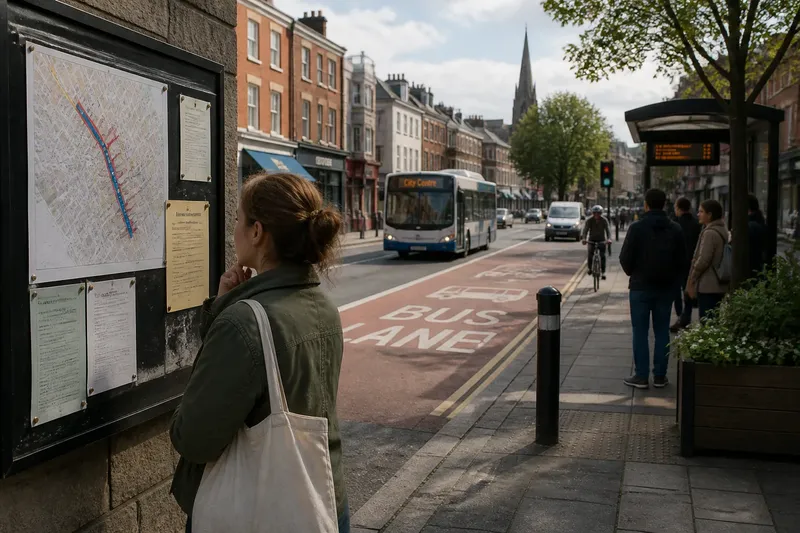
A council posts a plan to change a busy crossing and invites comments by Friday. Residents can point out risks or support the proposal, but they are not being asked to redesign it together. That is consultation: a way to gather views on a proposal. Deliberation creates room for participants to consider options and weigh trade-offs together.
Knowing which process is on offer helps you decide how to take part and what to expect. It also gives organisers a practical test: does the public need to respond to a developed proposal, or help think through choices that are still open?
Start with the decision
Before choosing a format, identify what public officials or organisers can still change. Look for the decision-maker, the decision date, the options under consideration and any limits already set. A process cannot meaningfully influence choices that have already been settled.
Write the decision in one plain sentence. For instance: “The council is deciding which of three streets should receive a new cycle route.” Then separate fixed conditions, such as a legal duty or an agreed budget, from choices that remain open. State both clearly to participants.
Next, ask what kind of public contribution would help. If officials have a specific proposal and need responses to its effects, consultation may fit. If they need people to compare possible approaches, understand competing needs or shape recommendations, deliberation may be more suitable.
Match the format
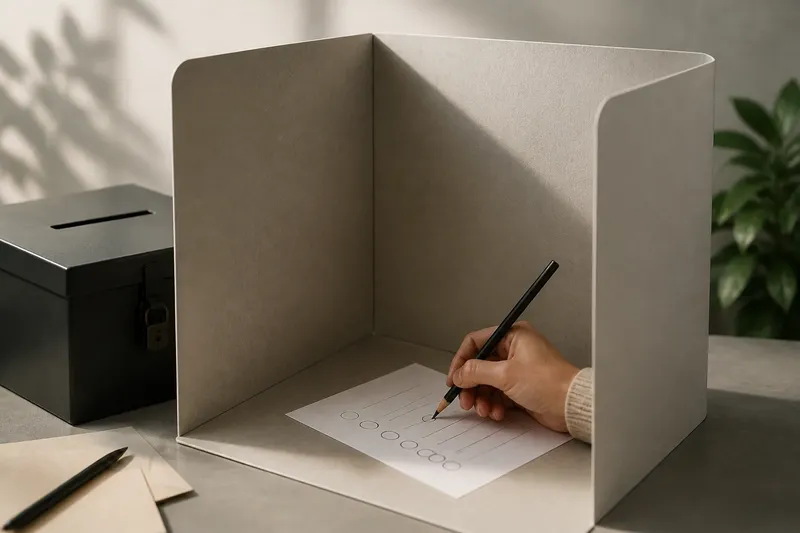
Consultation usually presents a question, proposal or set of options and asks people to respond. It can use written submissions, public meetings, surveys, accessible workshops or conversations with groups likely to be affected. The essential feature is that people provide views for the decision-maker to consider; they do not necessarily discuss or revise those views together.
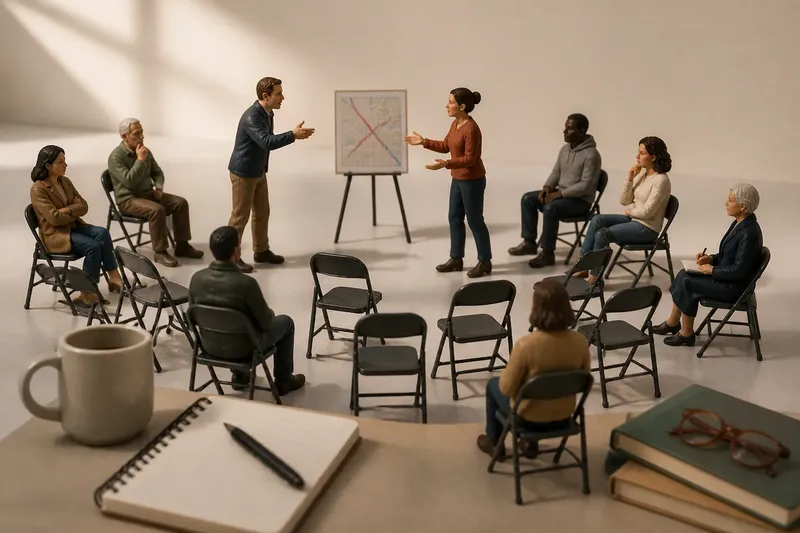
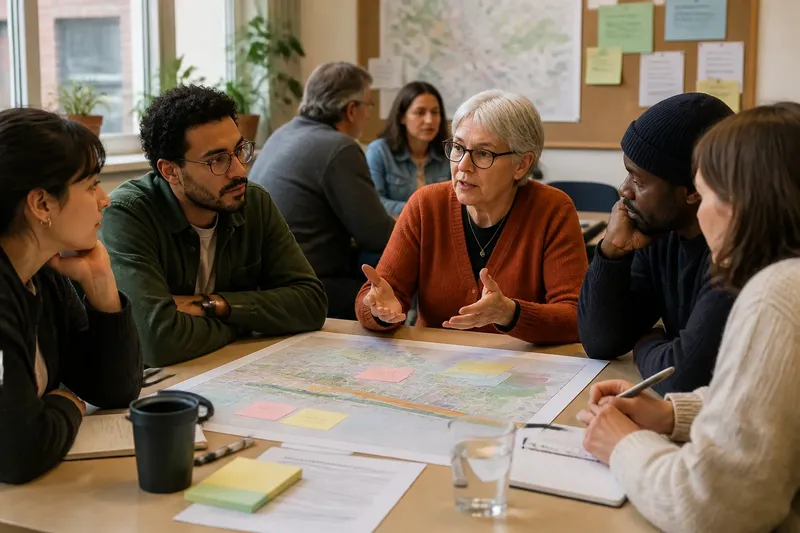
Deliberation brings participants into a structured discussion. They receive balanced information, hear different perspectives, ask questions and consider the consequences of alternatives. A facilitator helps keep the conversation fair and focused. Participants may develop advice or recommendations, but the formal decision may still belong to an elected body or public agency.
These formats are not rivals, and neither automatically gives participants more authority. A consultation can reach many people but leave little room for discussion. Deliberation can offer deeper consideration to a selected group while leaving others outside the room. Choose according to the decision’s needs, and explain what influence the process can have.
Prepare a fair invitation
Once the format is clear, make the invitation specific. Tell people what is being decided, who will decide it, what is open to change and how their contribution will be used. Include the closing date or meeting arrangements, contact details for questions and any support available, such as interpretation or an accessible venue.
For consultation, give people the proposal and a clear route to respond. Ask focused questions, but leave space for issues organisers may have overlooked. Avoid wording that assumes agreement, such as asking only how a preferred option should be delivered when the choice itself remains open.
For deliberation, explain how participants will be selected and what discussion will involve. Provide accessible background material before the meeting where possible, identify areas of uncertainty and make time for questions. Do not present advocacy material as neutral information; identify its source and distinguish established constraints from disputed claims.
Representation needs deliberate attention in either format. An open invitation does not mean every affected group will hear about it or be able to take part. Consider language, timing, caring responsibilities, disability access and whether people have a trusted way to contribute. If participation is limited to invited members, explain the selection approach and how other views can be heard.
Run the process well
During consultation, make it easy to submit a response in more than one way where practical. Keep questions understandable and avoid requiring people to complete a long form before sharing a concern. At meetings, record comments accurately and make clear whether attendees are speaking for themselves or an organisation.
During deliberation, give participants equal chances to speak and room to reconsider. A facilitator can invite quieter members in, prevent one voice from dominating and separate questions of fact from questions of preference. Participants should be able to see the options being discussed and the reasons behind important constraints.
In either format, keep a record of what happened. Note the material participants received, the questions asked, the groups reached and any access barriers raised. For deliberation, record how the discussion developed and where views converged or remained different. For consultation, preserve the range of responses rather than reducing them to a single headline.
Close the feedback loop
A public process is incomplete until participants can see what followed. Publish a clear account of the views received, the themes that mattered and the decision or next stage. Explain which suggestions were adopted, changed or set aside, with reasons. Where a final decision is still pending, say when and how an update will be provided.
Say you are helping a neighbourhood group consider a new market-day road closure. The group has two workable options but does not yet know how traders, residents and bus users weigh the trade-offs. A deliberative session could let a mixed group compare access, deliveries and street safety before making a recommendation; a later consultation could invite wider comments on the developed plan. The useful result is not assumed agreement, but a visible account of the choices and reasoning.
When reviewing consultation or deliberation, compare the original promise with the record of what happened. If people were asked to shape options but could only comment on a fixed plan, the process did not match its invitation. If you are organising a process, check the relevant rules, official guidance and accessibility requirements for your setting before publishing the invitation.
Questions people ask
Can consultation change a proposal?
Yes, if the decision-maker has left relevant choices open and is willing to consider responses. Check the invitation for what can change and look for an account of how comments affected the next decision.
Does deliberation make the final decision?
Not usually by itself. Participants may provide recommendations or a reasoned account of preferences, while a council, agency or other authorised body retains responsibility for the formal decision.
Which format reaches more people?
Consultation can accept responses from a broad public, while deliberation often involves a smaller group in more sustained discussion. Reach depends on the invitation, access arrangements and the time people have to participate, not on the format’s name alone.
Can organisers use both formats?
Yes. A deliberative process can help develop or compare options, followed by consultation on a proposal, or consultation can identify concerns before a smaller group deliberates. Make the purpose and influence of each stage clear so participants know what their contribution can affect.
The practical distinction is simple: consultation gathers responses to a proposal; deliberation gives people space to weigh choices together. When you encounter either, look for the open decision, the promised influence and the public account of what happened next. Those details tell you more than the label.